
Introduction to Odd-Form Insertion Machines
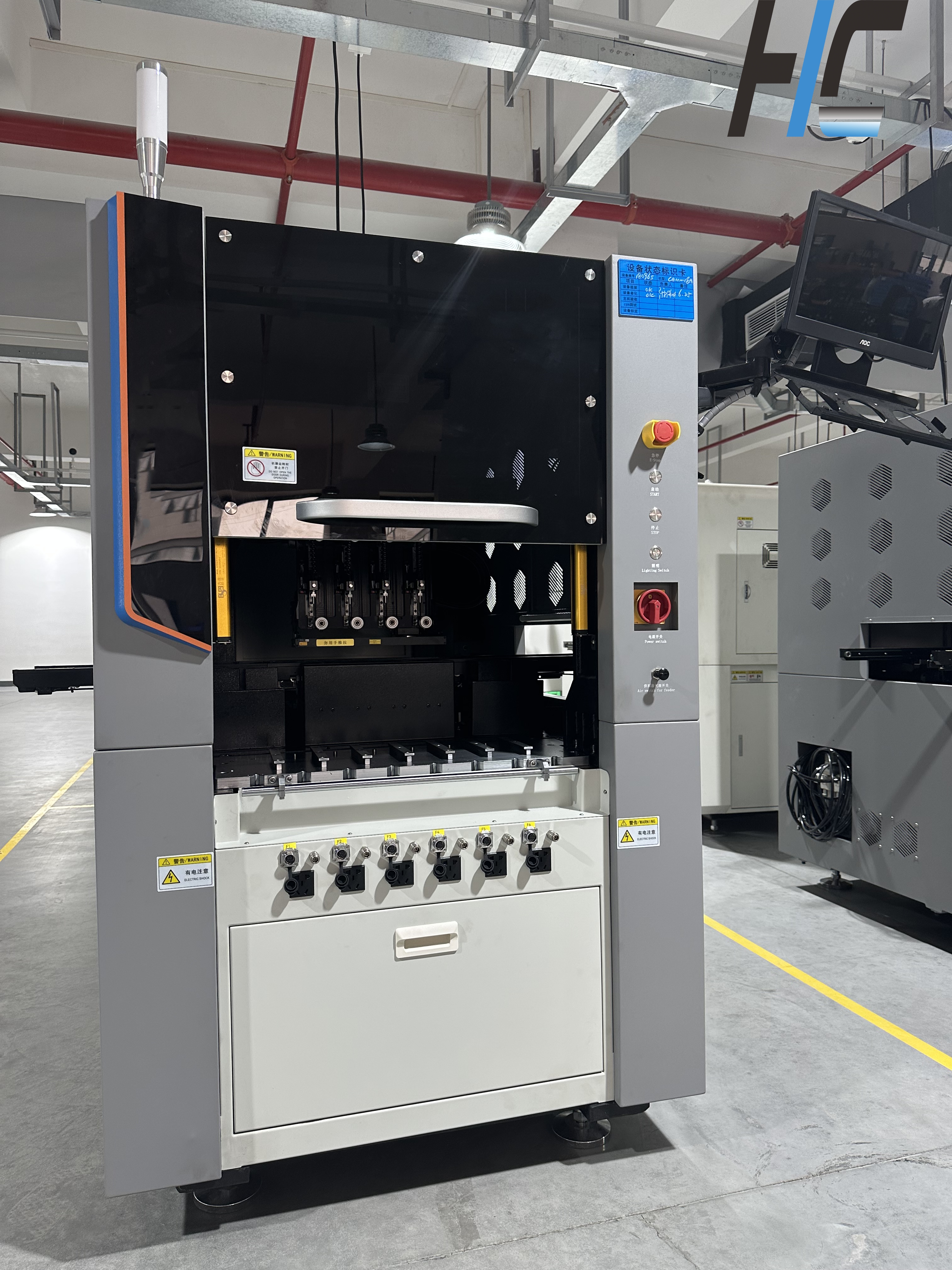
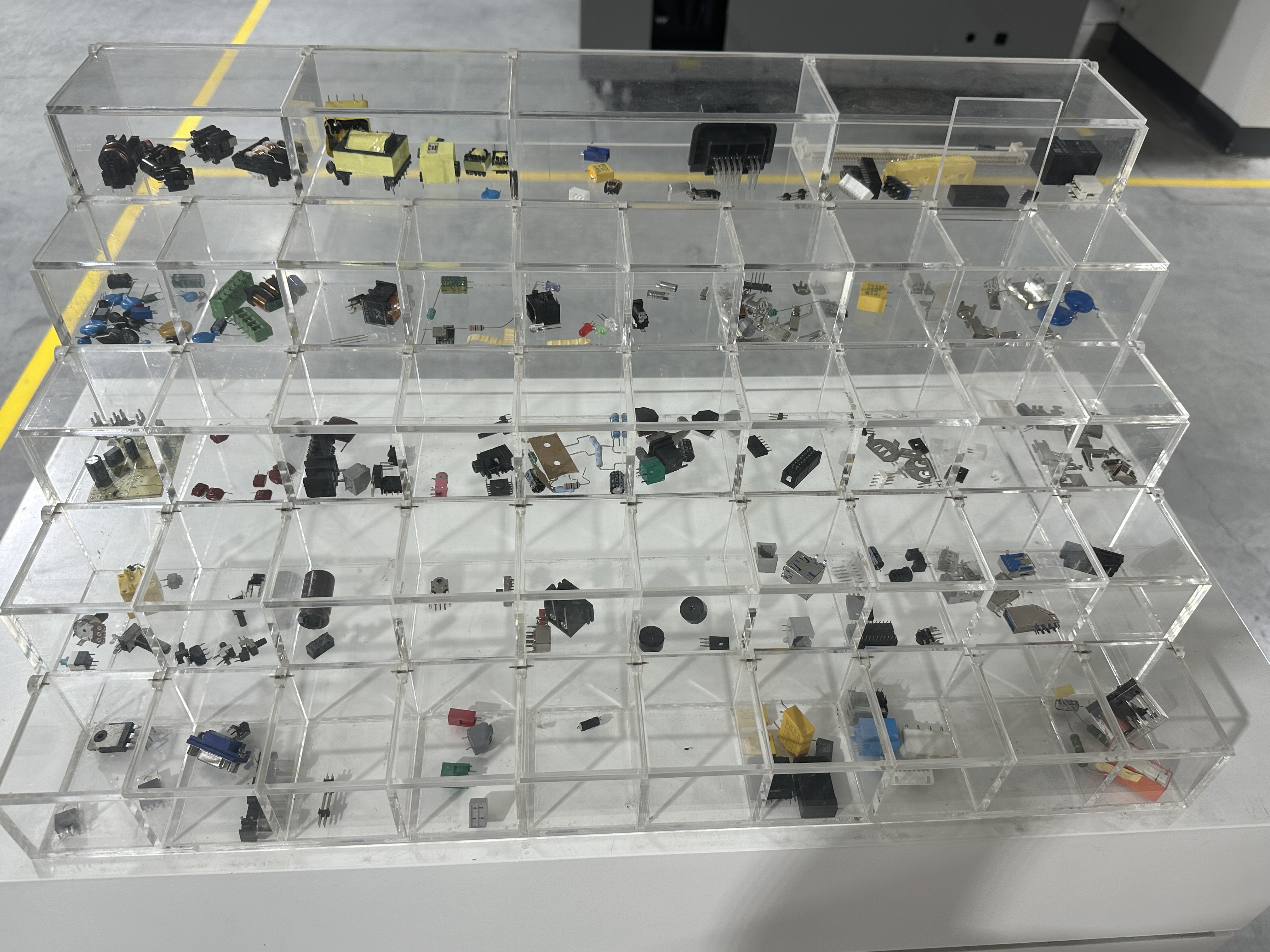
Odd-form insertion machines are advanced automation equipment designed for the precise placement of non-standard or irregular components onto printed circuit boards (PCBs). Compared with traditional insertion machines, they are capable of handling a wide variety of odd-shaped parts, meeting the increasing demands for complexity and reliability in modern electronics manufacturing.
Key Advantages
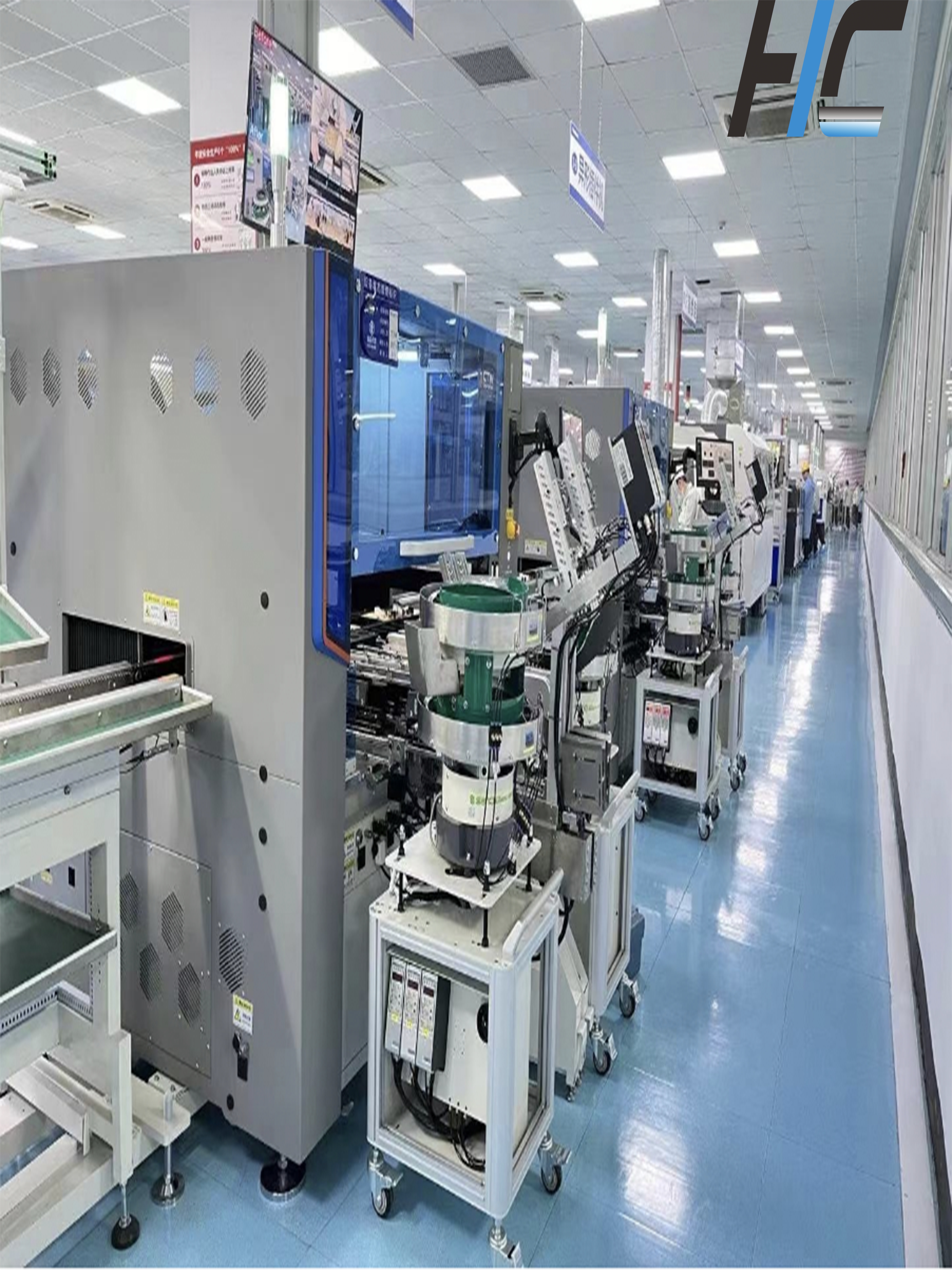
High Efficiency: Automated operation significantly boosts productivity while reducing reliance on manual labor.
Precision Placement: Equipped with vision systems and robotic arms to ensure accurate component positioning.
Wide Compatibility: Supports a broad range of odd-form components, adaptable to various product designs.
Cost Optimization: Minimizes labor and rework costs, reducing defect and scrap rates.
Flexible Adaptability: Easily reprogrammed or adjusted to accommodate new components and product configurations.
Typical Application Areas
Automotive Electronics: ECUs, in-vehicle entertainment, and control systems.
Consumer Electronics: Connectors, sensors, switches, and modules in smart devices and household appliances.
Medical Electronics: High-precision products such as pacemakers, diagnostic instruments, and monitoring systems.
Telecommunications: Routers, switches, and base stations requiring high-reliability assembly.
Aerospace & Defense: Complex electronic systems for aircraft, satellites, and military equipment.
Industrial Automation: Control systems, robotics, and sensor modules.
Conclusion
With outstanding efficiency, precision, and adaptability, odd-form insertion machines have become indispensable in modern electronics manufacturing. Widely applied across automotive, consumer electronics, medical, telecommunications, aerospace, and industrial automation sectors, they ensure higher product quality and production performance, providing strong support for industry advancement.