
The Impact of Wave Soldering and Reflow Soldering on the Future of the SMT Industry
In the future of the Surface Mount Technology (SMT) industry, wave soldering and reflow soldering will remain core processes. Each has unique advantages and will drive progress in efficiency, technological innovation, and sustainability.
Wave Soldering
Advantages: High efficiency, strong stability, and low cost; suitable for mass production and through-hole components.
Challenges & Optimization: With miniaturization and surface-mount trends, demand is declining, but lead-free processes and automation upgrades sustain its value.
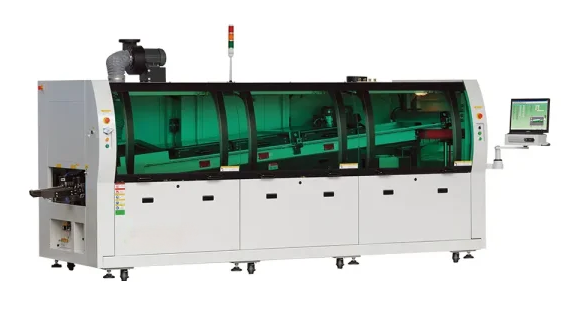
However, with the miniaturization of electronic components and the widespread adoption of surface mount technology, wave soldering faces challenges in market demand. As a result, wave soldering technology is being optimized, such as introducing lead-free solder and increasing automation levels to meet stricter environmental standards.
Reflow Soldering
Advantages: High adaptability, superior soldering quality, and strong flexibility; ideal for multi-variety, small-batch, and complex circuit designs.
Development Direction: Advanced temperature control and eco-friendly lead-free soldering will continue to expand its applications in high-reliability products.
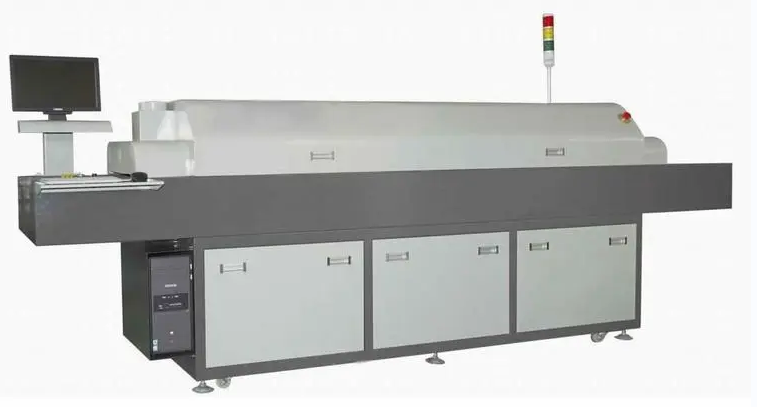
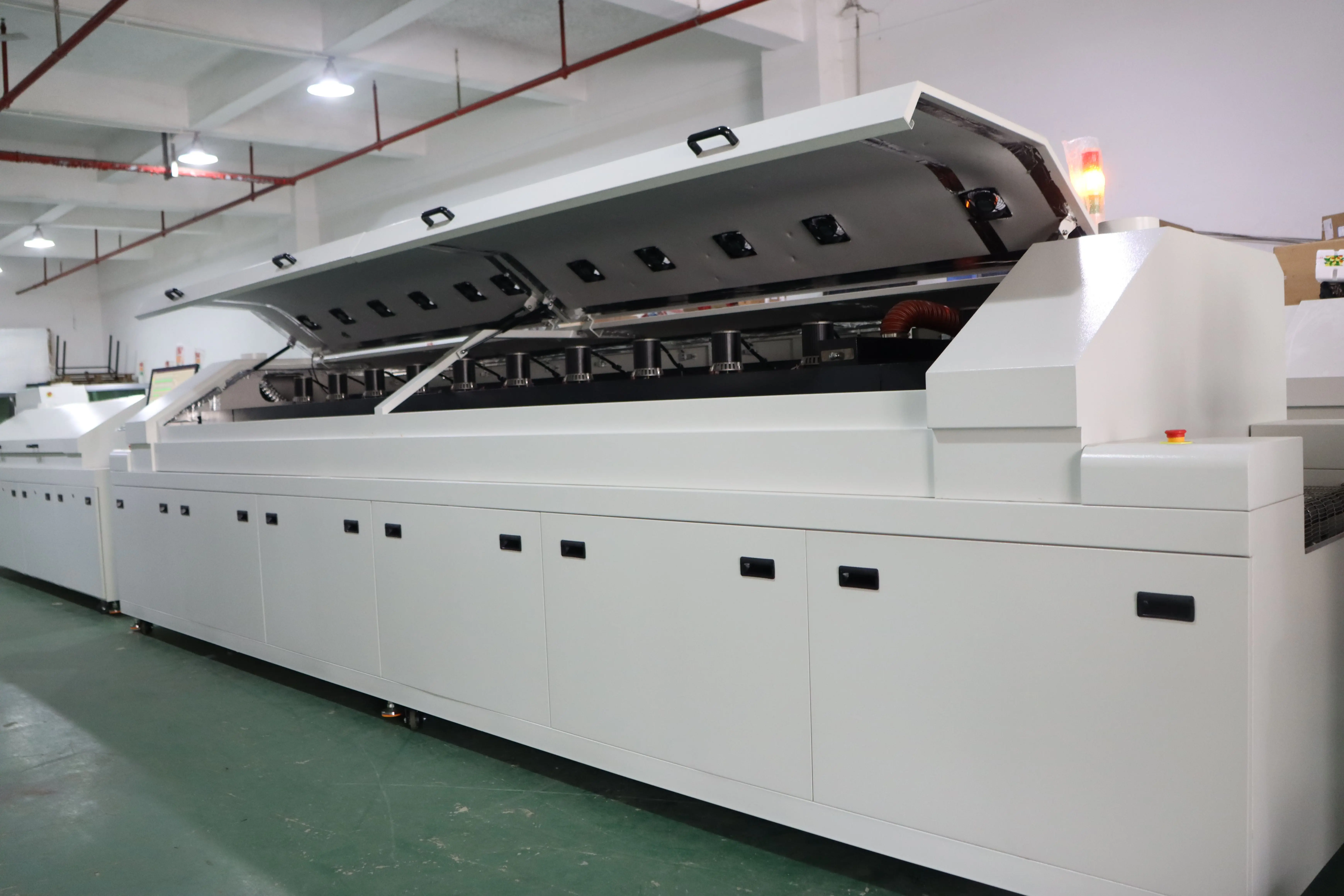
In the future, as electronic products demand higher functionality and reliability, reflow soldering technology will continue to innovate. For example, advanced temperature curve control techniques will be adopted to optimize the soldering process and enhance component connection quality. Additionally, the use of lead-free solder and environmental friendliness will also become important development directions for reflow soldering technology.
Future Trends
Efficiency Improvement: Wave soldering supports large-scale production, while reflow soldering adapts to fast-changing market demands.
Technological Upgrades: Automation and precision temperature control will meet high-density integration requirements.
Green Transition: Lead-free and energy-efficient processes align with stricter environmental regulations.
Smart Manufacturing: Integration with IoT and big data will enable real-time monitoring and flexible production.
Product Diversity & Customization: Quick production line adjustments will meet personalized customer needs.
Conclusion
Wave soldering and reflow soldering each hold irreplaceable positions in the SMT industry. As technology advances and market demands evolve, these soldering techniques will continue to complement each other, driving the electronic manufacturing sector toward greater efficiency, sustainability, and intelligence. The future SMT industry will not only focus on soldering processes but also engage in comprehensive competition based on innovation, environmental responsibility, and smart manufacturing principles. Overall, wave soldering and reflow soldering will profoundly impact the future SMT industry, enhancing efficiency, driving technological innovation, achieving environmental transitions, and fostering sustainable development and competitiveness.