
With the growing emphasis on environmental protection and the rapid expansion of the electric vehicle (EV) market, electric control systems have become a critical component. Automatic pick-and-place machines play an indispensable role in the production of these systems. This article analyzes their key functions and challenges from multiple perspectives.
I. Key Roles
1. Enhancing Production Efficiency and Product Quality
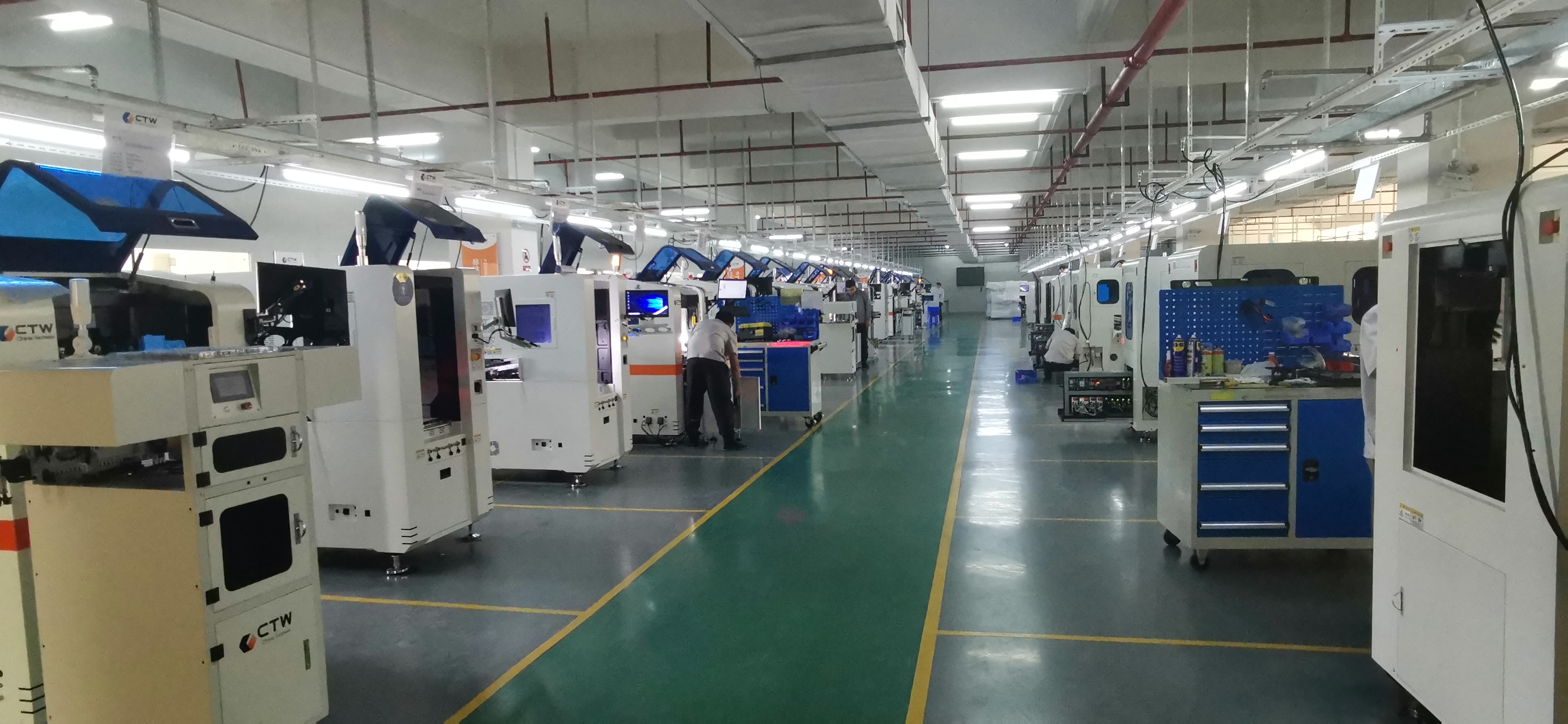
Automatic pick-and-place machines offer high-speed and precise mounting capabilities, significantly improving production efficiency. They replace manual operations, minimize human error, and ensure consistent and stable product quality.
2. Improving Automation and Manufacturing Flexibility
These machines can flexibly adjust placement speed and precision according to product requirements. They also integrate seamlessly with other equipment such as AOI (Automated Optical Inspection), reflow soldering, and SPI systems, enabling a fully automated production line and reducing labor dependency.
3. Ensuring Product Stability and Long-Term Reliability
With high-resolution vision systems and automatic correction functions, the machines can detect and correct placement deviations in real time, ensuring component accuracy and enhancing the electrical performance and lifespan of control systems.
4. Supporting Energy Efficiency and Green Manufacturing
By optimizing the placement process, precisely controlling material usage, and reducing defect rates, pick-and-place machines lower energy consumption and material waste—aligning with the environmental goals of the EV industry.
II. Challenges and Improvement Areas
Despite their advantages, pick-and-place machines face the following challenges:
High Cost: The use of high-precision sensors, vision systems, and custom fixtures increases the cost of equipment acquisition and maintenance.
Adaptability Issues: As electronic components continue to diversify in type, size, and packaging, the equipment must continuously evolve to maintain compatibility and performance.
Integration Complexity: Seamless integration with MES, ERP, and various production systems requires advanced system architecture and robust data management capabilities.
III. Conclusion and Outlook
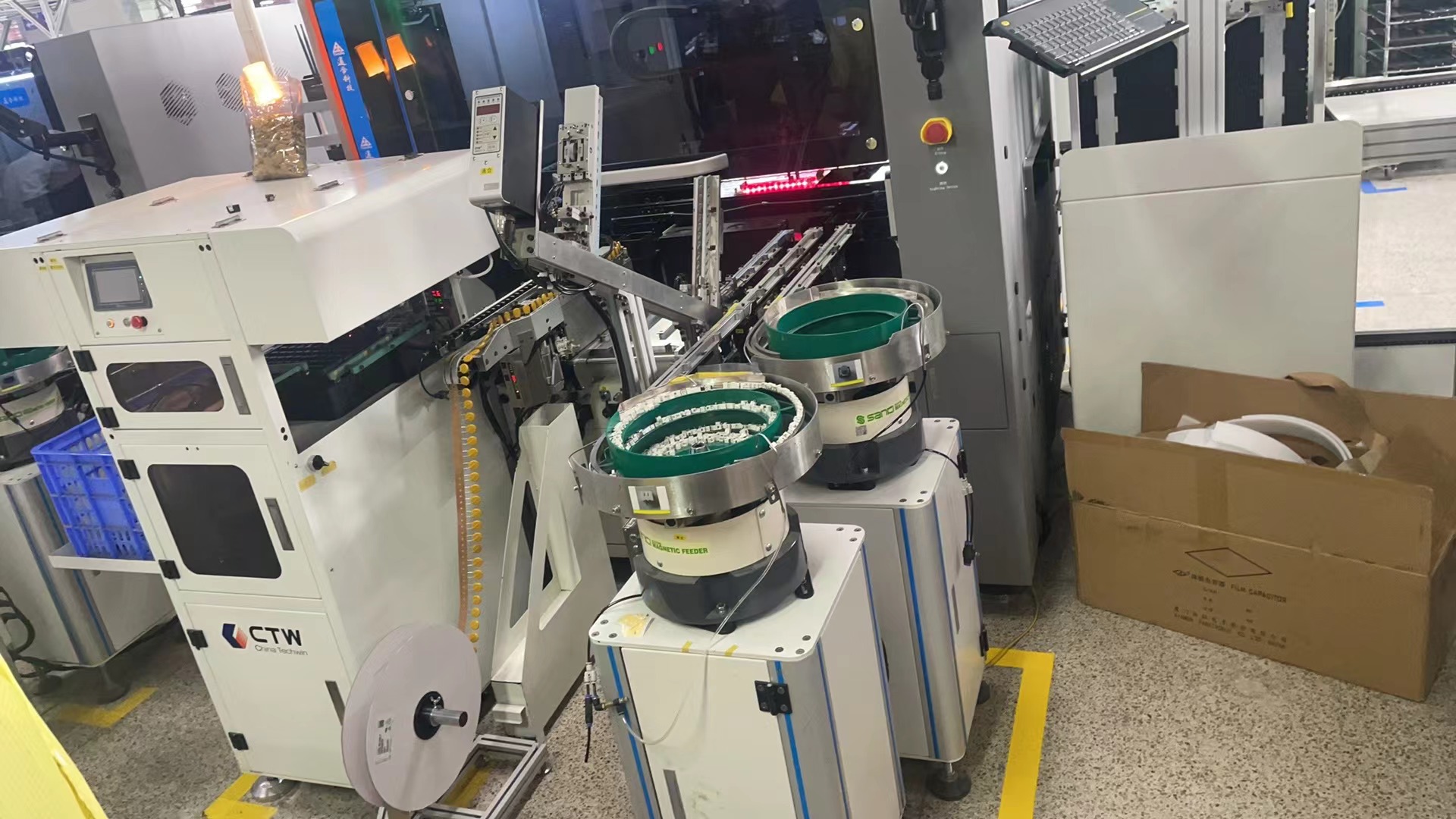
Automatic pick-and-place machines serve as a cornerstone in the manufacturing of electric control systems, contributing to quality improvement, production efficiency, and eco-friendly manufacturing. Looking forward, as components become smaller and product demands more diverse, continuous innovation in accuracy, intelligent control, and cost efficiency will be crucial to meet the evolving needs of the electric vehicle industry.